

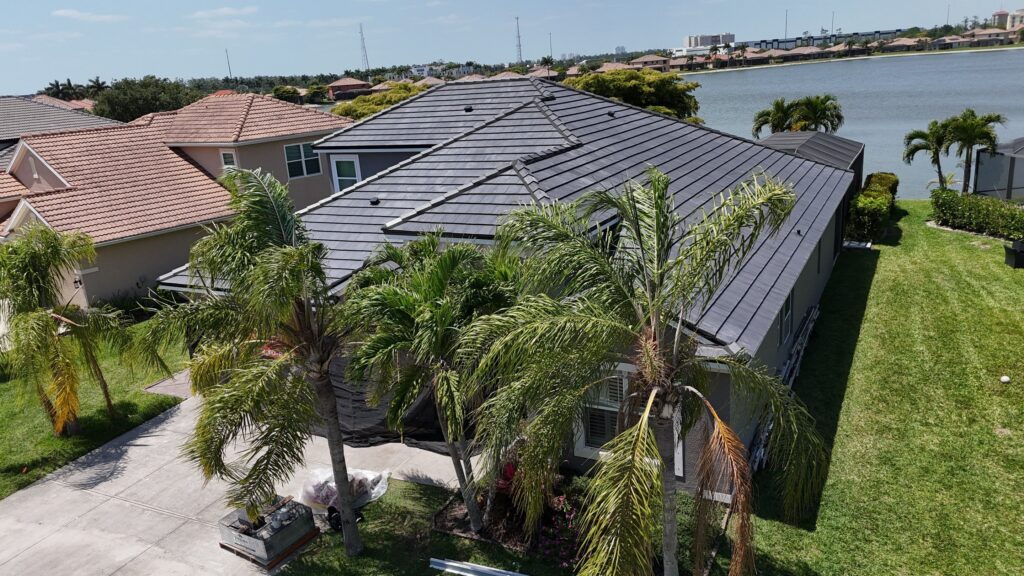
Understanding roof lifespan in Florida can help homeowners plan ahead, avoid unexpected failures, and make informed decisions about maintenance and replacement timing. Florida’s climate is one of the harshest environments for roofing systems. Intense UV exposure, heavy rain, humidity, strong winds, salt air, and seasonal storms all contribute to roof aging over time. While every roof eventually reaches the end of its lifespan, how long a roof lasts depends on the material, the surrounding climate, and how well the system is maintained over the years. Understanding how different roofing materials perform in Florida conditions can help homeowners plan ahead, avoid unexpected failures, and make informed decisions about maintenance, repairs, and replacement timing.
How Our Weather Affects Roof Lifespan In Florida
Understanding roof lifespan in Florida starts with understanding the constant environmental stress Florida roofs face year-round. Unlike cooler climates where roofing materials may age gradually over several decades, Florida roofs are exposed to year-round heat, intense sunlight, sudden storms, and high humidity levels.
Ultraviolet (UV) radiation slowly dries out roofing materials and accelerates deterioration. High attic temperatures can further increase thermal expansion and contraction, causing shingles and flashing materials to weaken over time. Frequent rainstorms and humidity contribute to moisture buildup, while strong winds can loosen shingles, tiles, flashing, and fasteners even if visible damage is not immediately obvious.
Homes near the coast face additional exposure from salt air, which may accelerate corrosion on metal components and fasteners. Florida roofs also experience repeated exposure to windstorms, hurricanes, hail, and flying debris throughout the year. Homeowners in hurricane-prone regions should monitor trusted forecasting resources from the National Oceanic and Atmospheric Administration (NOAA) during storm season to stay informed about approaching severe weather.
Because of these conditions, roof lifespan in Florida is often shorter than in milder climates with less extreme weather exposure.
Average Lifespan of Common Roofing Materials in Florida
Three-Tab Asphalt Shingles
Typical Florida lifespan: 15–20 years
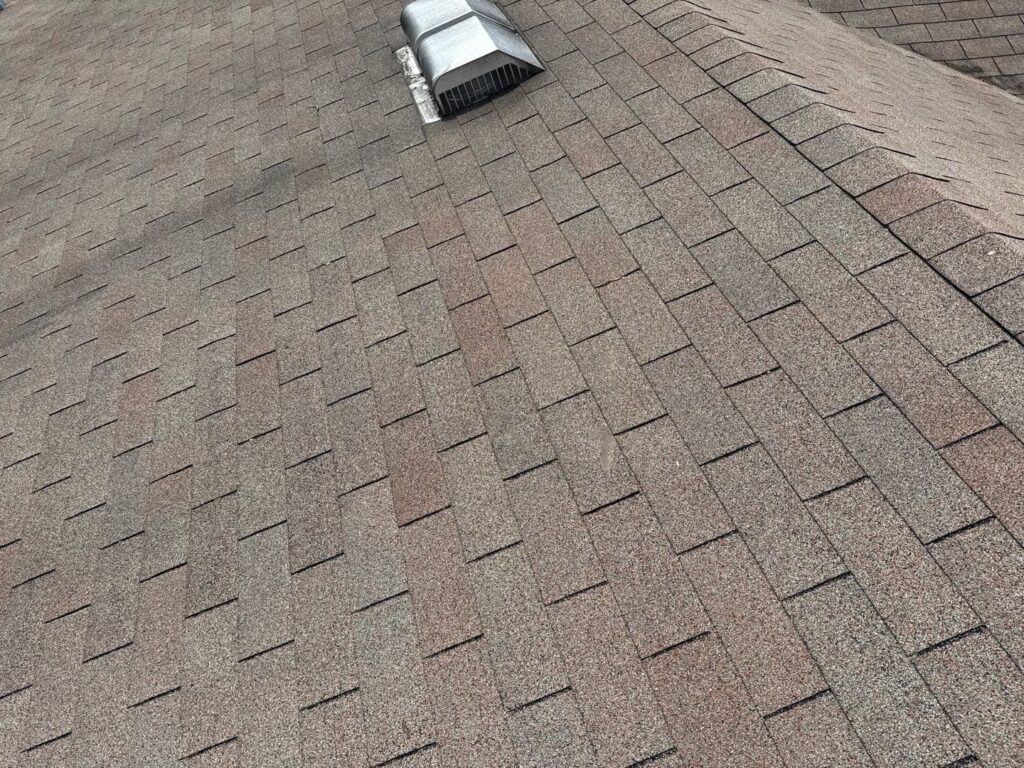
Three-tab asphalt shingles are one of the most affordable roofing options, but they also tend to have the shortest roof lifespan in Florida’s climate. While manufacturers may advertise longer warranties, many three-tab roofs in Florida realistically last around 15 to 20 years when exposed to constant heat, storms, and UV radiation.
As these shingles age, they may become brittle, lose granules, curl, or develop cracking along the tabs.
Architectural Asphalt Shingles
Typical Florida lifespan: 20–30 years
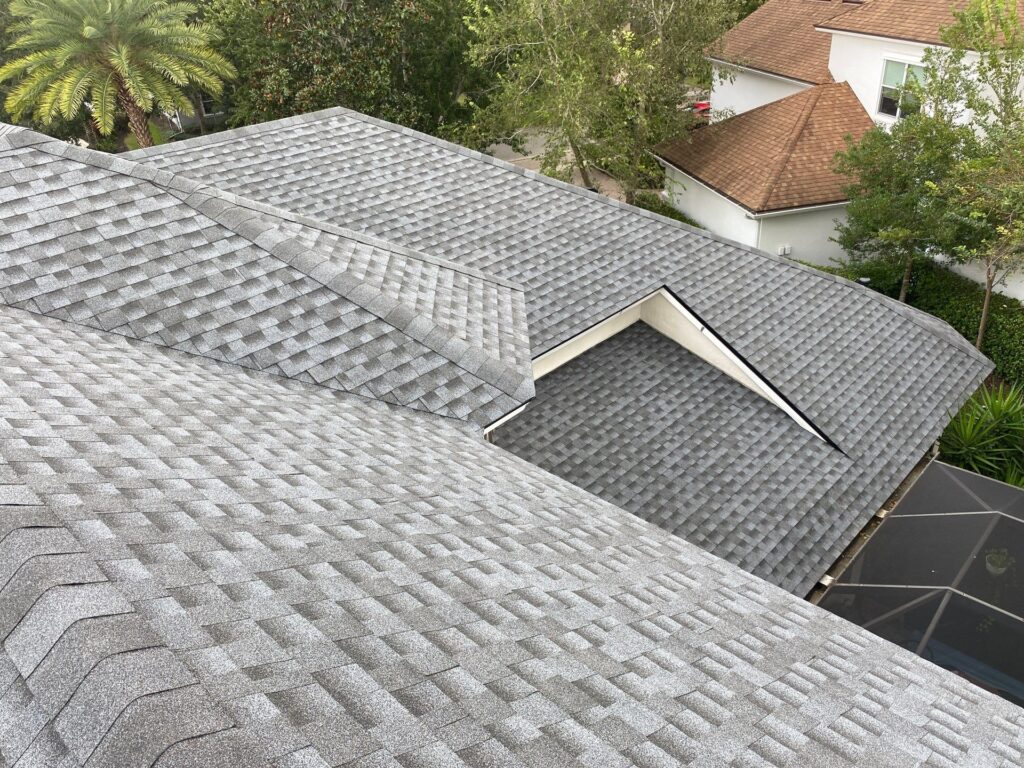
Architectural asphalt shingles—also known as dimensional or laminated shingles—are thicker and more durable than standard three-tab shingles. They generally perform better against wind uplift and weather exposure.
In Florida, a properly installed architectural shingle roof may last approximately 20 to 30 years depending on ventilation, maintenance, and storm activity. Homes with adequate attic ventilation and routine inspections often experience longer roof life.
Metal Roofing
Typical Florida lifespan: 40–70 years
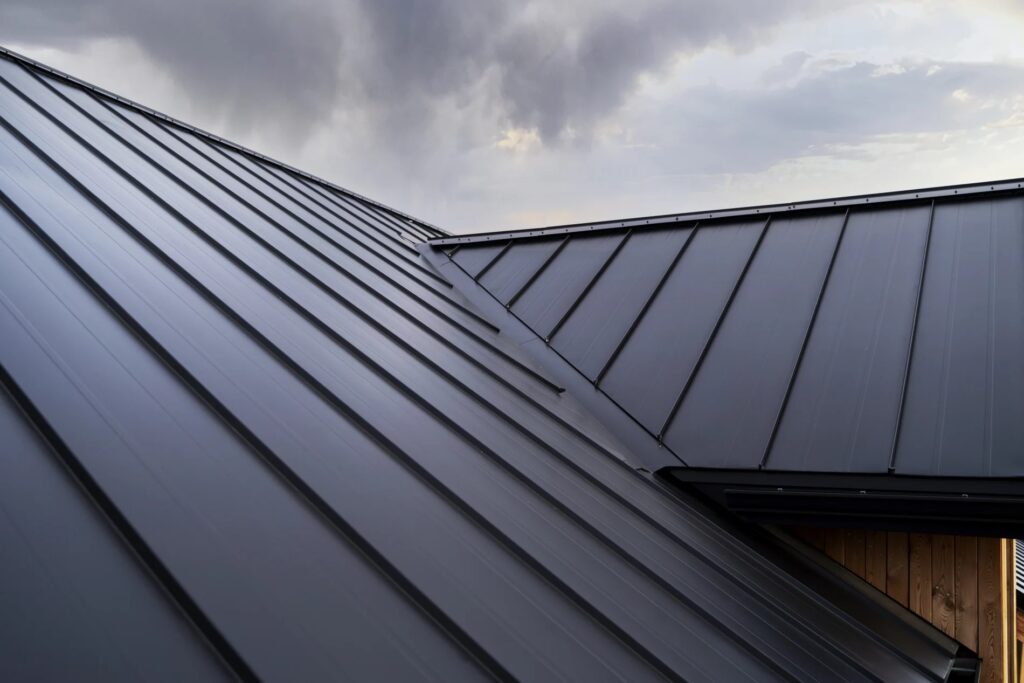
Metal roofing systems are among the longest-lasting roofing options available in Florida. Properly installed metal roofs can often last 40 to 70 years depending on the metal type, coating system, and environmental conditions.
Metal roofs also perform well against wind and heavy rain, making them popular in hurricane-prone regions. However, coastal homes should still monitor for corrosion over time, particularly around fasteners and exposed metal components.
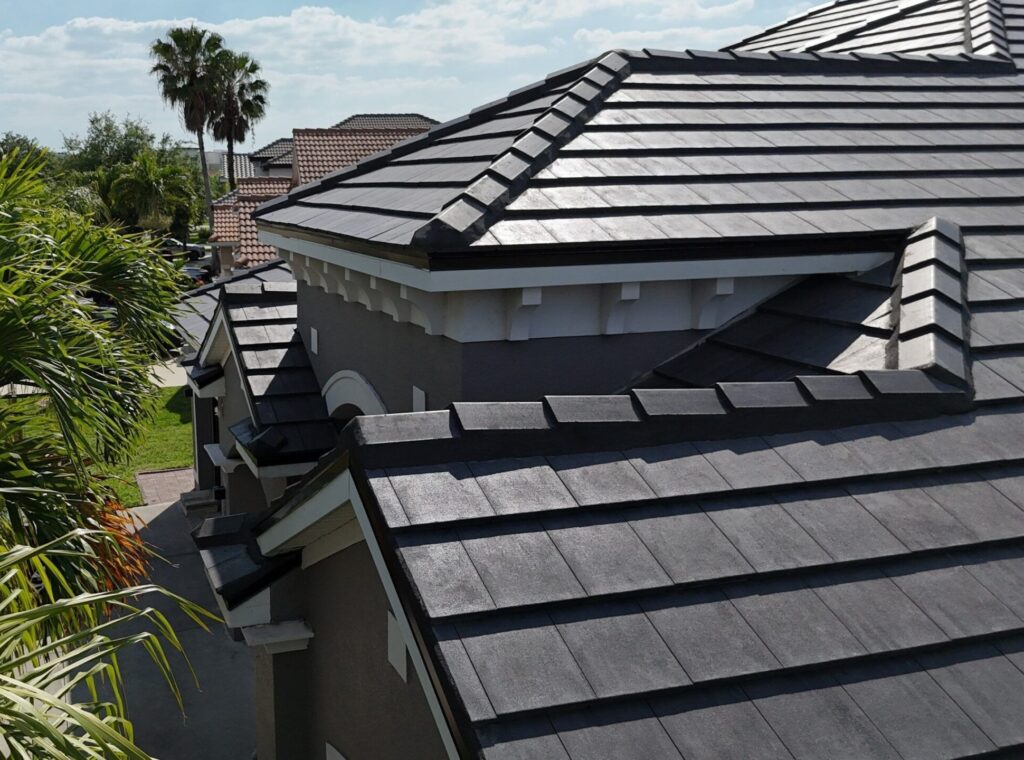
Tile Roofing
Typical Florida lifespan: 50+ years
Concrete and clay tile roofs are known for their durability and long service life. In many cases, concrete tile roofs can often last 50 years or more, frequently outlasting traditional asphalt shingle roofs by decades. However, the roofing underlayment beneath the tile often ages faster than the tiles themselves and may require replacement before the tile reaches the end of its usable life.
Individual tiles can also crack from impact, foot traffic, or structural movement, making periodic inspections especially important.
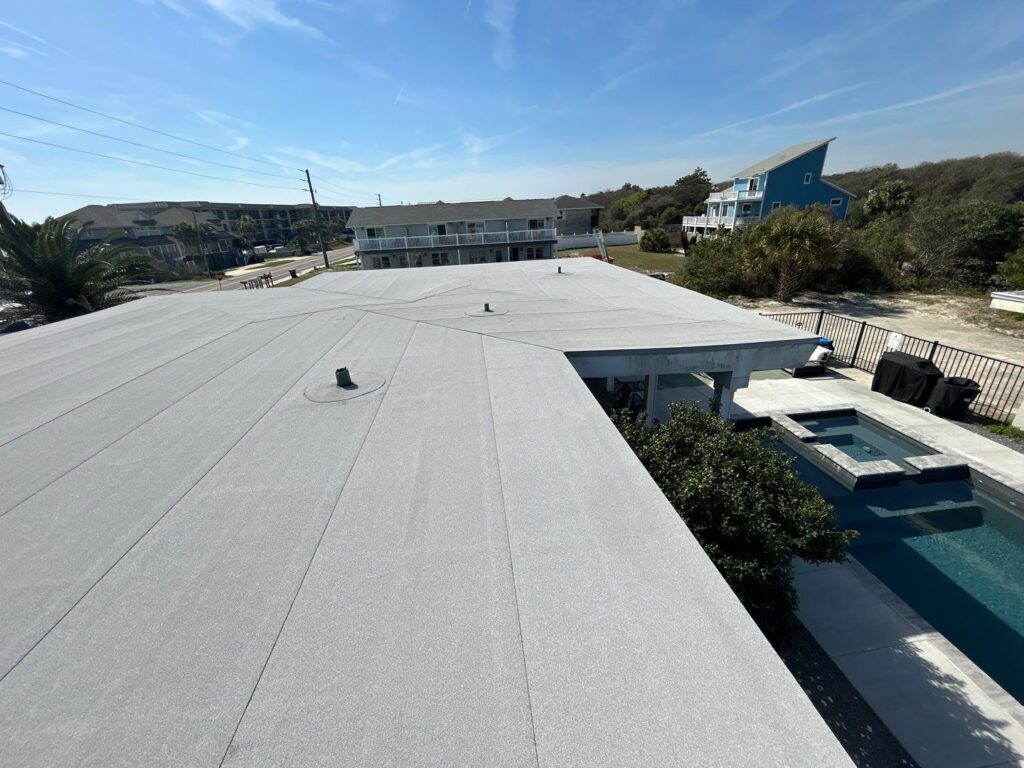
Flat Roofing Systems
Typical Florida lifespan: 15–30 years
Low-slope and flat roofing systems—including TPO, PVC, modified bitumen, and similar membranes—commonly last between 15 and 30 years depending on drainage conditions, maintenance, and material quality.
Because standing water accelerates deterioration, proper drainage design plays a major role in extending the lifespan of flat roofing systems in Florida’s rainy climate.
What Shortens Roof Lifespan in Florida?
Even high-quality roofing systems can fail prematurely when exposed to poor conditions or neglected.
Signs a Roof May Be Nearing the End of Its Life
As roofs age, they often begin showing visible warning signs that indicate deterioration. These are some of the common signs that the roofing system is no longer adequately protecting the home:
- Sagging roof areas
- Recurring leaks or interior water stains
- Moisture intrusion inside the home
- Cracked or damaged flashing
- Curling, brittle, or missing shingles
- Cracked or displaced roof tiles
- Frequent repairs in the same roof sections
While some issues can be repaired individually, widespread deterioration often signals that the roof is approaching the end of its functional lifespan.
3 Ways to Extend Your Roof’s Lifespan in Florida
Although no roof lasts forever, proper maintenance and early intervention can significantly extend the life of a roofing system.
- Schedule Routine Roof Inspections
Regular roof inspections help identify small issues before they become major problems. Catching damaged flashing, missing shingles, drainage issues, or minor leaks early can prevent more expensive repairs later. - Keep Gutters and Roof Surfaces Clear
Keeping gutters clean allows water to drain properly and helps reduce moisture buildup. Trimming overhanging vegetation also minimizes debris accumulation and prevents branches from rubbing against roofing materials. - Address Small Repairs Quickly
Minor roofing problems rarely stay minor. Promptly repairing leaks, damaged shingles, flashing issues, or ventilation concerns can help prevent larger structural damage and premature roof deterioration.
For Florida homeowners, proactive maintenance is often far less expensive than emergency repairs or premature roof replacement.
Wondering How Much Life Your Roof Has Left?
Many roofing problems develop gradually and aren’t always obvious from the ground. Regular inspections help identify early signs of aging, storm damage, ventilation issues, and wear before they become expensive repairs.
If you’re unsure about your roof’s condition or how much lifespan it may have remaining, SEC Roofing & Construction can provide a professional roof inspection and help you understand your options clearly and honestly. Contact us today for your free inspection and consultation.
Learn more about SEC Roofing’s repair and replacement services for homeowners in Jacksonville and throughout Northeast Florida

